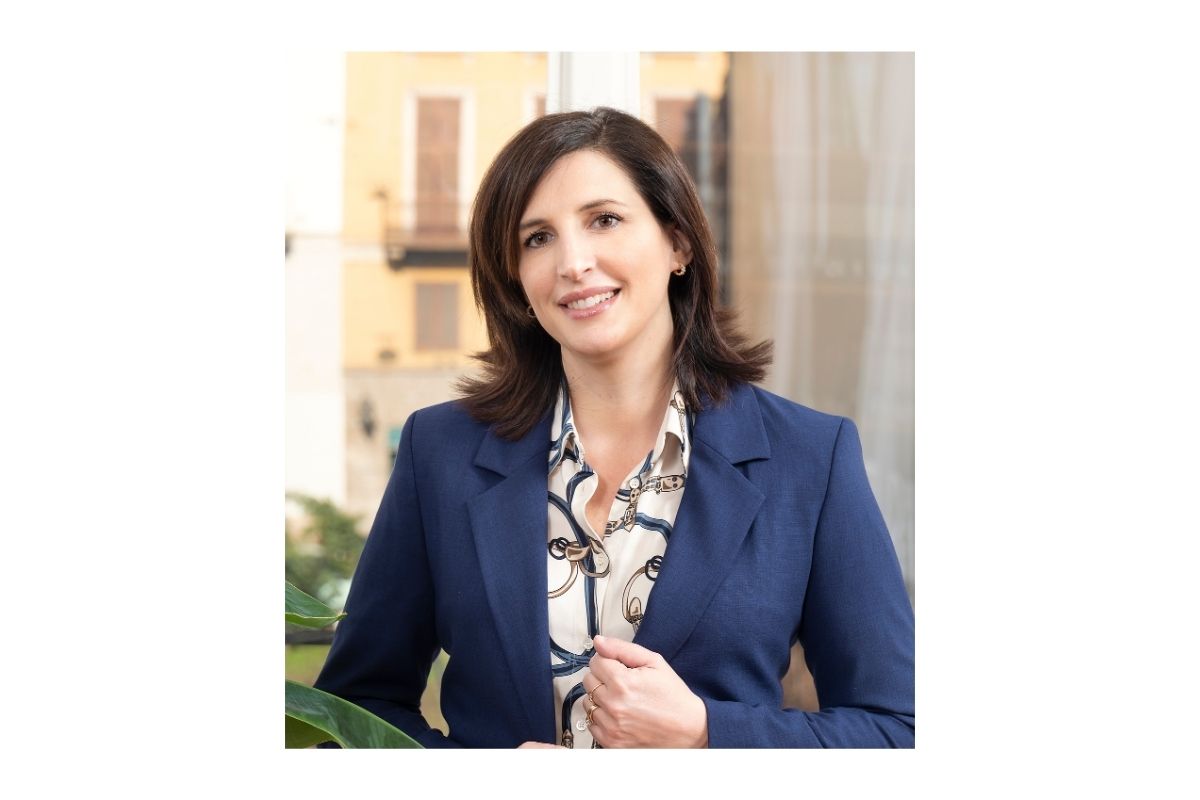
Aurora Agostini, Partner at LEXIA, was interviewed by Corriere della Sera about the application to register Giorgia Meloni’s voice as a sound trademark, exploring the potential and limitations of this tool in protecting against voice deepfakes.
Registering a voice as a trademark may provide protection against certain unauthorised commercial uses, but does not, in itself, prevent AI voice cloning. Assessing the protection available therefore requires consideration of the characteristics and purposes of each use.
In the interview, Aurora Agostini examines the boundary between lawful imitation, satire and fabricated audio. Realistic content that leads listeners to believe someone has made statements they never actually made may raise legal issues even when presented as satire.
The context, purpose and manner in which content is disseminated therefore remain central to assessing whether the use of another person’s voice is lawful. Artificial intelligence makes this assessment more complex by enabling the creation of content that is increasingly difficult to distinguish from an authentic recording.
Read the full article on Corriere della Sera >